
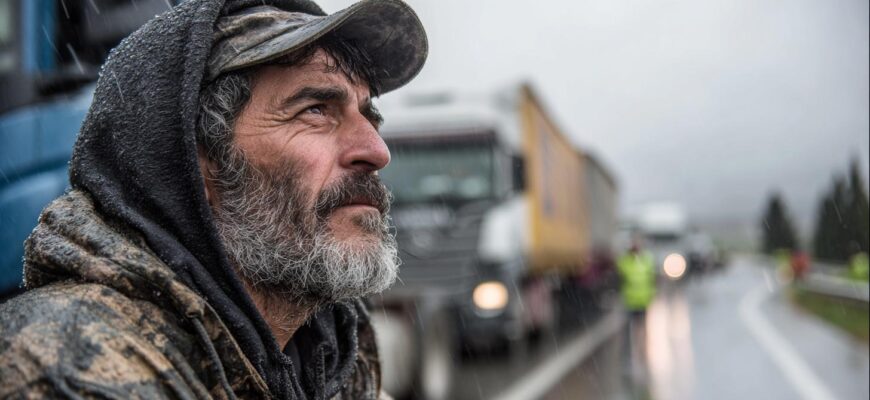
The sight of tractors blocking highways and roundabouts has become a daily headline across Greece as farmers press their case with growing intensity. Greek farmers continue nationwide blockades to protest delayed funding, a phrase that captures both frustration and the structural strain in agricultural policy and cash flow.
- Where this started: a crisis rooted in timing and trust
- How the blockades have unfolded across the country
- Timeline highlights
- What farmers are demanding
- Who is involved: unions, cooperatives and independents
- Economic ripple effects: food, fuel and exports
- Table: quick reference — demands, impacts, and government actions
- Government stance and the negotiation dance
- Political stakes
- Voices from the road: what farmers say
- Impact on consumers and local businesses
- What history teaches us about agricultural blockades
- Practical steps for consumers and businesses
- Possible resolutions and warning signs to watch
- How the international community and markets react
- What I’ve learned covering rural unrest
- Paths forward and the likelihood of settlement
- How you can stay informed and involved
Where this started: a crisis rooted in timing and trust
The immediate spark is painfully simple: payments meant to support the harvest and keep farms solvent have been held up. For family farms that live month to month, a few weeks’ delay can turn into a season of missed inputs and mounting debt.
Behind the delays lie a tangle of bureaucracy, audits, and budgetary constraints at national and EU levels. Farmers argue the system is too slow; officials point to checks meant to prevent fraud and to limited treasury liquidity.
How the blockades have unfolded across the country
The protests are not confined to one region. Tractors and agricultural vehicles have been staged on major arteries linking Athens to the north, around ports that handle produce exports, and in agricultural hubs such as Thessaly and Crete. Local unions coordinated days-long rolling blockades that ripple across the map.
Movement is deliberate: some blockades close highways entirely, while others form choke points around distribution centers and ports. The tactic is designed to escalate pressure by interrupting the flow of goods, not simply to attract media attention.
Timeline highlights
Protest activity intensified after the first missed installment of state support this season, with farmers signaling they would escalate if payments did not arrive within a defined window. Demonstrations that began as localized roadblocks quickly expanded into a national campaign backed by the major agricultural unions.
Authorities and farmer leaders have traded deadlines and ultimatums, with local magistrates occasionally stepping in to clear blocked lanes and negotiators attempting to reopen dialogue.
What farmers are demanding
The list is short and specific: immediate payment of delayed subsidies, clearer timelines for future disbursements, and temporary relief measures for indebted farms. Many are also asking for longer-term structural changes such as simplified application processes and better compensation schemes for market shocks.
While subsidies and arrears are the headline demand, other grievances include volatile input costs, low produce prices at the farm gate, and complex red tape that drains time and resources. Farmers say the combination of delayed funding and these ongoing pressures threatens the viability of many small and mid-sized operations.
Who is involved: unions, cooperatives and independents
Main agricultural unions have provided organizational muscle, helping coordinate protests across regions and keep pressure on central government. Cooperatives and commodity-specific associations—olive growers, dairy producers, and cereal farmers—have also played visible roles.
Not all producers are aligned on tactics, however. Some farmers worry blockades harm their own customers and tarnish public sympathy. Yet the unified front from the unions suggests a broad base of shared outrage.
Economic ripple effects: food, fuel and exports
Blockades that interrupt transport routes cause immediate headaches for supply chains. Fresh produce and perishable goods are particularly vulnerable to delays, and retailers report inventory disruptions in some regions. Energy and fuel deliveries can also be affected when ports and refineries are encumbered.
Exporters face a distinct problem: prolonged hold-ups can lead to canceled shipments and contractual penalties, hitting farm incomes hard. Tourism-dependent areas worry that blocked roads will deter travelers and damage local livelihoods beyond agriculture.
Table: quick reference — demands, impacts, and government actions
| Demand | Immediate impact if met | Government response (so far) |
|---|---|---|
| Payment of delayed subsidies | Short-term liquidity for farms; restored cash flow for inputs | Promises of expedited review; partial payments in some cases |
| Simplify applications and timelines | Lower administrative burden; fewer future delays | Committees proposed; legislative work required |
| Temporary debt relief measures | Reduce risk of foreclosures; stabilize incomes | Discussions underway with banks and agencies |
Government stance and the negotiation dance
<pGovernment officials have framed the issue as a combination of limited fiscal room and necessary controls to ensure funds are correctly allocated. Ministers emphasize that any acceleration must respect audit procedures tied to EU funding rules to avoid future penalties.
Negotiations have been fitful. The government is under pressure to release funds swiftly, but it also faces political constraints: accelerating payments without sound documentation risks criticism and potential financial complications down the line.
Political stakes
For the ruling party, handling the farmers’ protests well is a test of competence in rural constituencies that historically wield electoral influence. Opposition parties have criticized the government’s response as slow or opaque, using the protests to underline broader policy failures.
Local municipal leaders find themselves balancing sympathy for constituents with the need to keep roads and services functioning, a tension that complicates mediation efforts.
Voices from the road: what farmers say
Farmers describe a hard arithmetic: rising bills, squeezed margins, and a feeling of being always one missed payment away from crisis. They speak of long winters taken to pay debts and of planting decisions made under financial strain rather than agronomic choice.
Many emphasize dignity—no one wants to be dependent forever on subsidies—but they argue that predictable, timely support allows them to invest and plan for the next season. That predictability is precisely what the current delays remove.
Impact on consumers and local businesses
Consumers may feel the effects through shorter-term price volatility for vegetables, dairy, and other staples. Grocery stores in certain regions have reported patchy supplies, prompting shoppers to seek alternatives or pay higher prices for fresh goods.
Local businesses that rely on agricultural traffic—processing plants, packaging firms, and small transport companies—face cash-flow problems when the flow of produce is disrupted. The cumulative local economic damage can be outsized compared with the number of tractors on the road.
What history teaches us about agricultural blockades
Farm protests are not new in Greece or in Europe. Historically, blockades and demonstrations have produced mixed results: short-term concessions and longer negotiations in some cases, stalemate and erosion of public support in others. Outcomes often hinge on timing, public sentiment, and whether a sustainable policy fix is offered.
Past episodes suggest that temporary cash infusions can calm immediate unrest, but durable solutions require systemic reform: clearer payment schedules, digitization of applications, and targeted safety nets for smallholders.
Practical steps for consumers and businesses
For consumers: expect local availability shifts and consider buying from nearby producers when possible. That support can ease immediate distribution pressure and keep local markets functioning.
For businesses: diversify supply lines, communicate transparently with customers about delays, and collaborate with distributors to reroute shipments when blockades arise. Contingency planning reduces the risk of cascading shortages.
- Check local market updates and buy from multiple sources.
- For restaurants and retailers, build temporary contracts with alternate suppliers.
- Contact representatives to express support for transparent, timely funding systems.
Possible resolutions and warning signs to watch
A quick payout of arrears would likely defuse the immediate crisis, but without structural fixes, the pattern could repeat. Watch for parliamentary moves to streamline bureaucracy or for bailout-style packages negotiated with banks to ease debt burdens.
Warning signs that the protests could deepen include prolonged failure to pay scheduled installments, an escalation of tactics (longer road blockades, expanded port actions), or fractures within union leadership that produce competing demands.
How the international community and markets react
International buyers and trade partners watch for disruptions that could affect supply contracts. Extended delays might shift orders to other suppliers in the region, reducing Greek producers’ market share over time.
At the EU level, Brussels monitors member-state payments linked to common agricultural policy funds and expects proper controls. Any rush to bypass those controls risks later fiscal scrutiny or clawbacks.
What I’ve learned covering rural unrest
From years of following agricultural disputes across Europe, I’ve seen how quickly financial stress becomes political pressure. Farmers are pragmatic: they want fair prices and reliable support, not perpetual subsidies. When the system appears to fail them, they mobilize visibly and persistently.
The human side matters. Smallholders I’ve spoken with in other contexts always return to the same point: farming is a long game ruined by short-term funding uncertainty. Restoring trust through predictable processes pays off more than one-off payouts.
Paths forward and the likelihood of settlement
Practical, mid-term fixes include expedited disbursements tied to simplified checks, temporary moratoria on certain debt payments, and dialogue tables that include union representatives, government ministers, and banking officials. Political will and administrative capacity will determine how quickly any of these happen.
In the best-case scenario, a credible roadmap is announced and partial payments are made, calming the most urgent pressure. In a less favorable scenario, blockades continue and economic costs mount, amplifying political consequences for all parties.
How you can stay informed and involved
Follow reliable news outlets and official municipal channels for updates on blockades and supply impacts. For those in affected regions, staying calm and planning purchases with local vendors helps smooth short-term frictions.
Engaging with elected officials—asking for transparency on disbursement schedules and proposed reforms—can push the conversation toward structural solutions rather than repeated cycles of protest and temporary fixes.
The current round of demonstrations has forced a national conversation about how agricultural support is delivered and what kinds of reforms would prevent future crises. Farmers’ actions have been noisy and disruptive, but they have also highlighted systemic weaknesses that, if addressed, could produce a more resilient countryside.
If you want to read more in-depth analysis and follow ongoing developments, visit https://themors.com/ and explore related coverage on rural policy, economics, and supply-chain impacts. Your engagement helps keep these issues on the agenda and supports better outcomes for producers and consumers alike.