
Travel experts have started pointing to a fresh set of places for American travelers to consider in 2026, blending value, accessibility, and meaningful experiences in ways that feel new after a few turbulent travel seasons. In this guide I’ll lay out where those recommendations cluster, why specialists are excited about them, and how to plan a trip that feels deliberate rather than accidental.
- What experts are watching for 2026
- Top destinations experts recommend for 2026
- Portugal: Lisbon, Porto, and the Atlantic coast
- Colombia: Medellín, Cartagena, and the coffee region
- Japan: Tokyo, Kyoto, and lesser-known prefectures
- New Zealand: nature, small towns, and adventure travel
- Morocco: Marrakech, the Atlas, and desert escapes
- Quick comparison: what each destination offers
- How to choose which destination fits you
- Practical planning tips experts recommend
- Packing and local considerations
- Sustainability tips for conscious travel
- My travel lessons and firsthand tips
- When to be flexible and when to lock things down
- Final thoughts before you pack
What experts are watching for 2026
Specialists I spoke with and followed in recent reports emphasize three broad trends: better connectivity from U.S. cities, a thirst for authentic culture over staged tourism, and the continued rise of flexible work travel. These forces shape not just which countries are popular, but the way Americans travel to them.
Airlines continue to add nonstop and seasonal services from secondary U.S. airports, meaning formerly remote destinations are now within a single hop. That shifts value dramatically — you can spend less time in airports and more time exploring.
Meanwhile, sustainability and local impact are no longer niche concerns. Experts point to community-based tourism, regenerative stays, and low-season travel as ways to avoid crowding while delivering economic benefit where it’s needed most.
Top destinations experts recommend for 2026
Below are five places that consistently came up in expert roundups. I selected them for a mix of ease of access from the U.S., richness of experience, and reasons they make sense specifically for 2026 travel plans.
Portugal: Lisbon, Porto, and the Atlantic coast
Portugal keeps appearing on expert lists because it pairs European charm with great value. Lisbon and Porto offer walkable historic neighborhoods, lively culinary scenes, and good connections to smaller coastal towns and islands for day trips.
Experts note that Portugal’s relatively mild climate and improved flight options from several U.S. hubs make it a year-round option. For 2026, look for boutique hotels and family-run guesthouses that emphasize local culture and cuisine.
Colombia: Medellín, Cartagena, and the coffee region
Colombia’s image has evolved quickly, and experts point to safe, vibrant cities and natural variety as major draws. Medellín’s transformation into a cultural and tech hub makes it particularly appealing for longer stays and remote work.
Cartagena delivers colonial architecture and Caribbean beaches, while the coffee region offers small farms and hiking. For Americans looking for value and warmth, Colombia’s mix of history, food, and outdoor access is compelling.
Japan: Tokyo, Kyoto, and lesser-known prefectures
Japan remains a perennial expert pick for its unique blend of modernity and tradition. Recovery in international tourism has put renewed focus on regions beyond the headline cities — think Hokkaido’s wild spaces or Shikoku’s pilgrimage trails.
Visa rules and flight pricing fluctuate, so experts suggest locking in fares early and planning multi-city itineraries to make the most of long-haul travel. For 2026, cultural festivals and curated slow travel experiences are expected to be especially popular.
New Zealand: nature, small towns, and adventure travel
New Zealand is back on expert radars thanks to stable travel policies and a steady stream of flights. Its appeal is simple: access to dramatic landscapes in a compact, friendly, English-speaking country.
Expect continued demand for outdoor activities — hiking, kayaking, and scenic drives — plus longer stays at lodges that support local conservation. Experts say pairing both islands on a single trip is increasingly viable with improved connections.
Morocco: Marrakech, the Atlas, and desert escapes
Morocco offers sensory-rich experiences — souks, riads, desert nights — and it’s becoming more accessible with additional flight options from Europe and the U.S. Experts highlight Morocco’s approachable luxury: excellent design hotels and traditional hospitality that still feel authentic.
For 2026, look for itineraries that balance city exploration with time in the Atlas Mountains or a desert camp, combined with sustainable stays that support local communities.
Quick comparison: what each destination offers
Here’s a compact table to help you weigh the options. It shows who each destination suits best, the easiest season to visit, and one standout reason experts recommend it.
| Destination | Best season | Ideal for | Why experts like it |
|---|---|---|---|
| Portugal | Spring/Fall | Food lovers, couples | Good value and walkable cities |
| Colombia | Year-round | Budget travelers, digital nomads | Cultural variety and lower cost |
| Japan | Spring/Autumn | Culture seekers, planners | Deep cultural experiences and festivals |
| New Zealand | Summer (Dec–Feb) | Outdoor adventurers | Exceptional natural scenery |
| Morocco | Spring/Fall | Design-minded travelers, photographers | Vibrant markets and architecture |
How to choose which destination fits you
Start by asking how you want to feel when you return. Rested? Stimulated? Enriched with new skills? Your answer narrows options quickly. Experts say matching emotional outcomes to logistical realities cuts down on decision fatigue.
Consider travel time and jet lag. For a weeklong trip, shorter flights to Europe or the Caribbean often provide a better ratio of experience to travel time. For longer trips, farther-flung places like Japan or New Zealand become more worthwhile.
Factor in cost beyond airfare. Local prices for food, accommodation, and activities can change a budget trip into an expensive one. Read recent travel reports and local blogs for current indicators rather than relying solely on old guidebooks.
Practical planning tips experts recommend
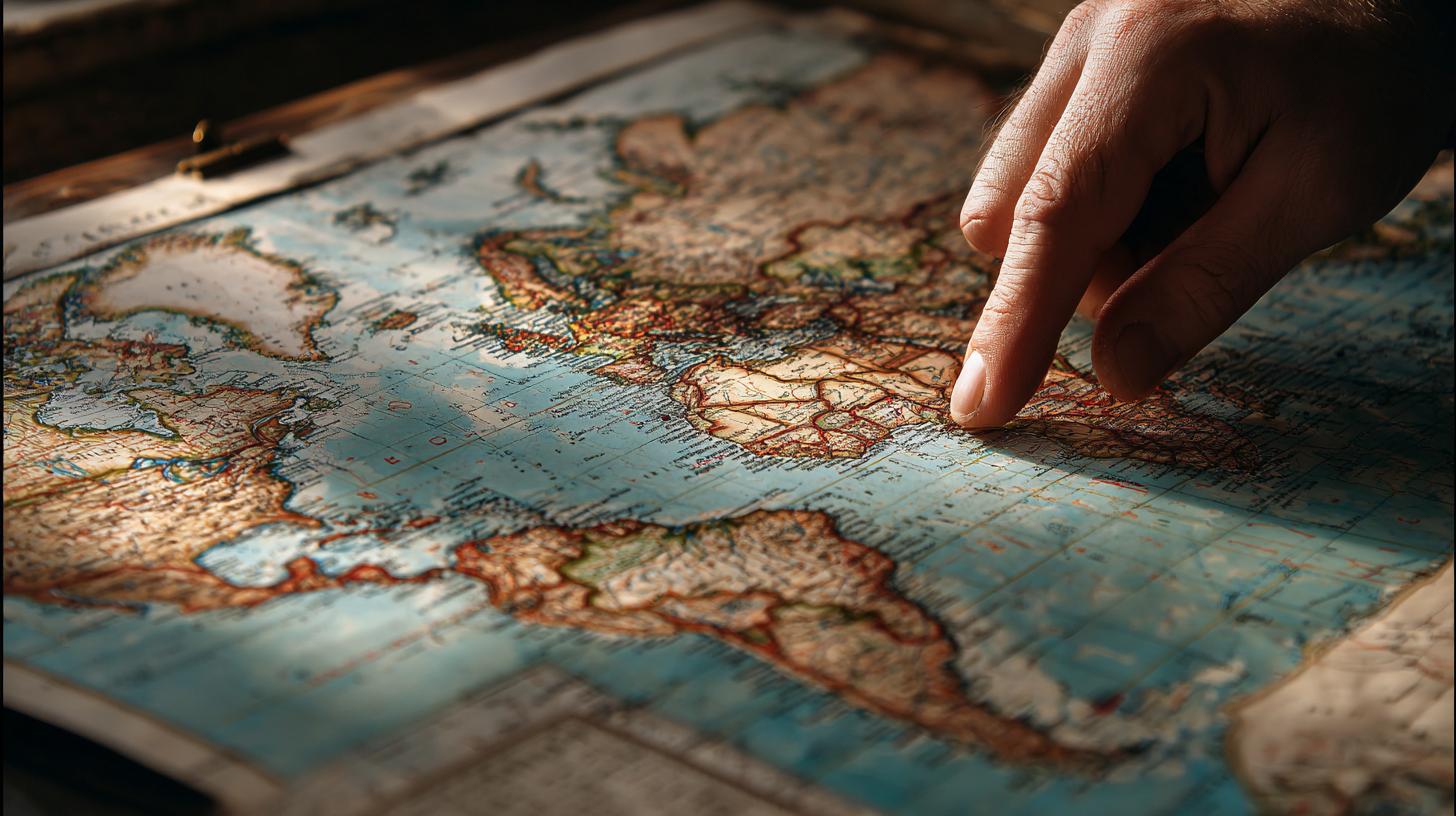
Book early for high-demand months and festivals. Many experts agree that the sweet spot for international fares often opens 2–6 months before departure for economy seats and farther out for premium cabins.
Use flexible dates and nearby airports when searching fares, and consider multi-city tickets to maximize a long trip. If you collect points, check both transferable partners and airline-specific award space — experts often find hidden value by mixing strategies.
Don’t forget passport rules and entry requirements: some countries require passports valid for six months beyond your dates, while others ask for proof of onward travel. Always check official government resources before booking.
Packing and local considerations
Pack for variety. If you’re combining city and rural time, bring layers and a compact rain jacket rather than a suitcase full of heavy gear. Experts suggest a daypack for daily excursions and a capsule wardrobe to avoid overpacking.
Learn a few local phrases and customs. Even minimal effort — a greeting, thank you, or understanding of tipping norms — goes a long way in small communities and enhances the quality of interactions with locals.
Sustainability tips for conscious travel
Travel in 2026 increasingly means choosing where your dollars land. Experts recommend prioritizing locally owned accommodations and operators, which keeps revenue in the local economy and encourages responsible stewardship.
Consider offsetting emissions for long-haul flights if that aligns with your values, but also look at ways to reduce impact on the ground: take trains instead of short domestic flights when possible, and avoid single-use plastics.
Respect fragile ecosystems by following trail rules, not disturbing wildlife, and using certified guides for sensitive areas. These small decisions help keep destinations viable for future travelers and residents alike.
My travel lessons and firsthand tips

On a yearlong stint living abroad I learned the value of slow travel: spending a week in a neighborhood rather than rushing through three cities yields better memories and deeper connection. That approach fits many expert recommendations for 2026.
In Portugal I learned to book a morning train to smaller towns — fewer tourists, better local service, and unexpected food discoveries. In Japan, reserving certain popular restaurants and temples weeks ahead paid off, especially during cherry blossom season.
When to be flexible and when to lock things down
Lock in international flights and accommodations for key nights, but leave wiggle room in your daily plans. Experts say that a fixed base with flexible day trips lets you respond to weather, local events, or new recommendations from locals.
Travel insurance is more important than ever. Choose a policy with trip interruption and medical coverage, especially if you’ll be doing adventure activities or traveling to remote areas where evacuation could be costly.
Final thoughts before you pack
Experts reveal where to travel from the US in 2026 by blending practical trends with a sense of what travelers crave: authenticity, convenience, and meaningful impact. The right destination balances those priorities with your personal travel style.
Whether you crave quiet mountains, historic streets, or coastal waves, a thoughtful plan will make your trip better. Read up, ask locals once you arrive, and leave room for the small detours that become your favorite stories.
Ready for more destination ideas and planning advice? Visit https://themors.com/ and explore other articles and travel guides on our site. Your next trip could start with one good idea and a single click.